In today’s fast-paced market environment, competitive research isn’t just about gathering information—it’s about synthesizing accurate, trustworthy insights with clear provenance. Companies like Suprmind, OpenAI (creator of ChatGPT), and Anthropic (behind Claude) are leading the charge in generative AI, but how do they stack up when it comes to delivering perplexity citations, enabling a true research symphony, and facilitating deep market analysis?
Why Citations Matter in Competitive Research
Anyone who has tried to use a generative AI to do research quickly discovers a key challenge: hallucinations—fluent but incorrect information unsupported by any source. Citations provide the audit trail that separates confident claims from guesses. For enterprises deploying research outputs for strategic decisions, the ability to verify and validate sources is indispensable.
OpenAI's ChatGPT popularized conversational AI but initially lacked transparent citations. Meanwhile, emerging platforms including Suprmind prioritize linking answers to concrete sources. The keyword here is perplexity citations: references that aid in resolving ambiguity and support fact-checking.
The Multi-Model Orchestration Advantage
Most early AI research assistants use a single model (e.g., ChatGPT or Claude) that offers a “one-size-fits-all” approach. Suprmind takes a fundamentally different path by orchestrating multiple language models together, including those from OpenAI and Anthropic, among others.
Why Multi-Model Over Single-Model?
- Diversity of Thought: Different LLMs have distinct training data, specialties, and reasoning quirks. Aggregating them reduces the risk of blind spots and provides a richer information landscape. Cross-Model Correction: When models disagree on facts or analysis, these discrepancies become glaring signals of areas requiring further scrutiny. Reduced Hallucination Risk: An answer validated or corrected by multiple models is significantly less likely to be fabricated or misleading.
This orchestration approach creates a research symphony where diverse AI “voices” contribute to a harmonized, reliable output rather than a monolithic narrative prone to error.
Disagreement as a Signal: Where the Real Risk Lies
Suprmind leverages disagreements between models deliberately rather than treating them as errors to be smoothed over. Here’s why this is critical:
- Highlighting Ambiguity: If ChatGPT claims one market share figure and Claude suggests another, this flags data inconsistency rather than hides it. Prioritization of Due Diligence: These points of contention inform analysts where to dig deeper, reducing the risk of costly assumptions. Confidence Calibration: Firms can weight insights by consensus strength, focusing attention on high-certainty findings for board memos and decision-making.
This dynamic positions uncertainty as an intelligence asset, not a liability.
Cross-Model Corrections Lower Hallucination Risk
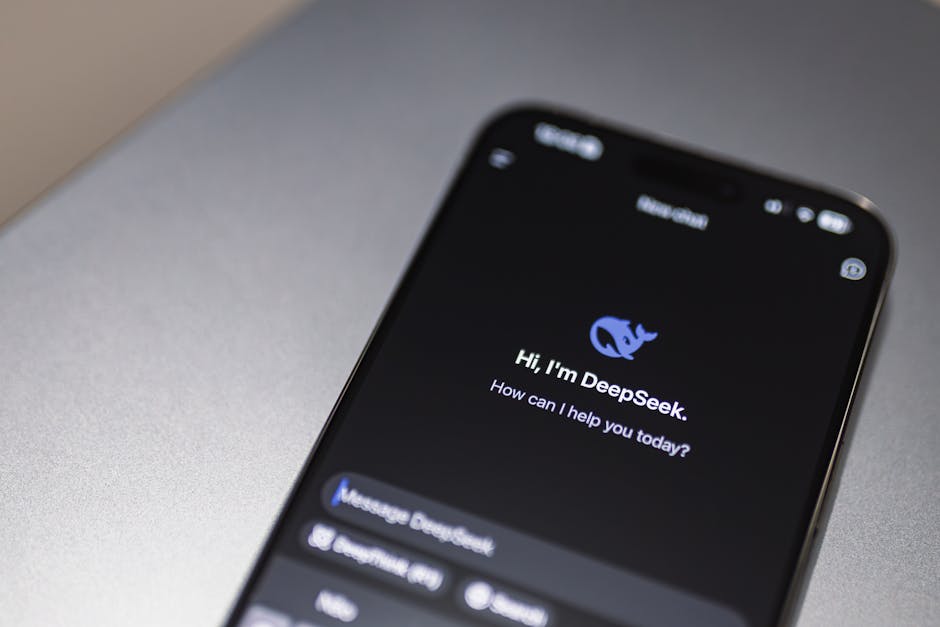
Hallucinations—AI-generated falsehoods masquerading as facts—remain one of the biggest barriers to deploying generative AI in competitive research. Suprmind’s multi-model system applies corrections where models diverge, effectively performing internal audits before data reaches the user.
By contrast, standalone tools like ChatGPT may produce plausible but off-base claims without an explicit mechanism to self-correct or signal uncertainty. Anthropic’s Claude incorporates safety features, but it does not operate in a multi-model ensemble by default.
Suprmind’s approach of layering multiple model outputs reduces risks that can otherwise lead to strategic missteps or flawed market assessments.
Decision Intelligence Layer and Audit Trail
Transparent documentation of AI-driven insights is a prerequisite for organizational adoption. Suprmind adds a Decision Intelligence layer on top of raw model outputs, integrating:
Source Documentation: Detailed hyperlinks, publication dates, and context-enable audit trails. Versioned Answers: Tracking how insights evolved as models updated or new inputs arrived. Human-in-the-Loop Annotations: Allowing analysts to add commentary, flag uncertainties, or approve conclusions.This system creates governance-friendly evidence packets rather than “black box” AI outputs. For market analysis and board reporting, this is essential—decision-makers can trace back every insight to its origin.
Pricing Insight: How Does Suprmind Compare?
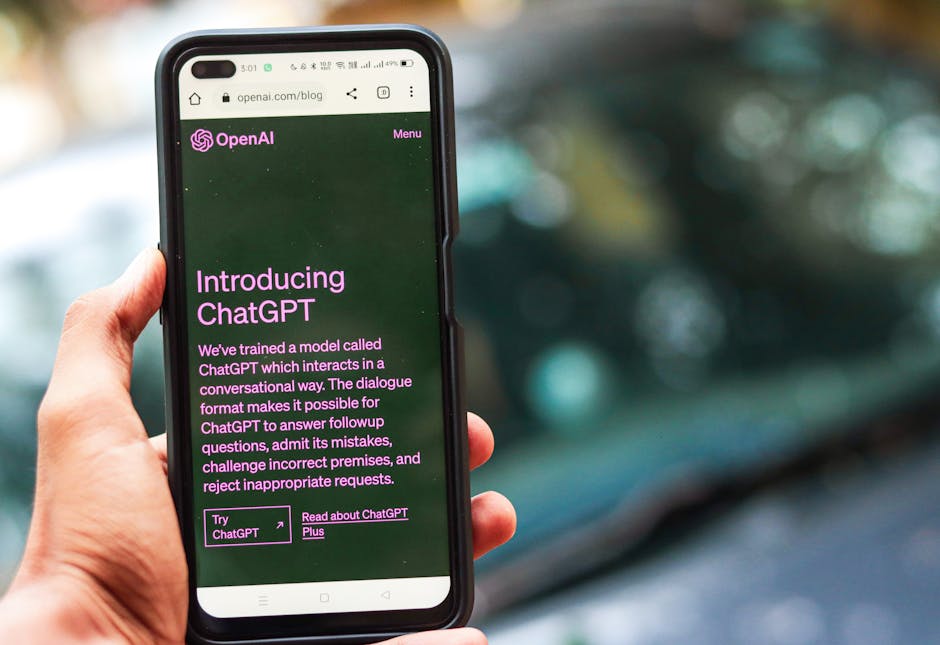
Cost often dictates feasibility for growth-stage companies and consultants using AI for competitive research. As an example, OpenAI’s Spark plan starts at $19/month, enabling access to GPT-4 with decent usage limits.
Platform Typical Pricing Tier Key Differentiator OpenAI (ChatGPT) $19/month (Spark) Single-model access, conversational interface Anthropic (Claude) Varies (enterprise-focused) Safety-centric AI, single model Suprmind Custom / Tiered Multi-model orchestration, decision intelligence, citation audit trailWhile Suprmind’s pricing is custom, the value rests in combining multiple models and providing full transparency. Users pay for quality, rigor, and auditability—crucial for board-level market analysis versus quick pivots or ideation.
Putting It All Together: Suprmind as a Competitive Research Powerhouse
Competitive research today cannot rely on a single AI model's output in isolation, no matter how advanced. Instead, the future of market intelligence lies in playing a research symphony—coordinating multiple AI "instruments," interpreting their harmonies and dissonances, and producing transparent, auditable insights.
Suprmind’s multi-model orchestration beats picking a single model because it:
- Uses disagreement between models as signals, not noise Cross-corrects claims, dramatically lowering hallucination risk Surfaces citations clearly with a perplexity citations mindset, avoiding vague “the tool says” claims Implements a decision intelligence layer that tracks sources, versions, and human annotations, facilitating rigorous market analysis
Compared to standalone alternatives like OpenAI’s ChatGPT or Anthropic’s Claude, Suprmind offers an integrated environment designed for organizations that demand verification, audit trails, and perplexity for source citations nuanced intelligence synthesis.
What Would Change My Mind?
Given my operational experience working with board memos and pricing strategy, I remain cautious of any AI claiming it can “do competitive research” without transparent citations and auditability. If Suprmind further demonstrated open-source audit https://instaquoteapp.com/is-suprmind-actually-better-than-using-chatgpt-and-claude-separately/ reports, customer case studies showing bias/error reduction, or published third-party validations of cross-model corrections, I’d be quicker to endorse it unequivocally.
Conclusion
For companies serious about market research that stands up to board scrutiny and regulatory audits, multi-model orchestration with integrated citations and decision intelligence is not just nice-to-have—it’s critical. Suprmind’s approach represents a significant advance over single-model generative AI solutions, bridging the gap between raw AI potential and reliable, verifiable market insights.
With pricing models that acknowledge the value of auditability and actionable intelligence, users can move beyond “just saves time” marketing claims to confidently leverage AI as a core research partner in competitive strategy.
In the evolving landscape of perplexity citations and AI-powered competitive intelligence, Suprmind is setting a new standard for trust and precision.
```